The List of Kansas Albums in Order of Release Date
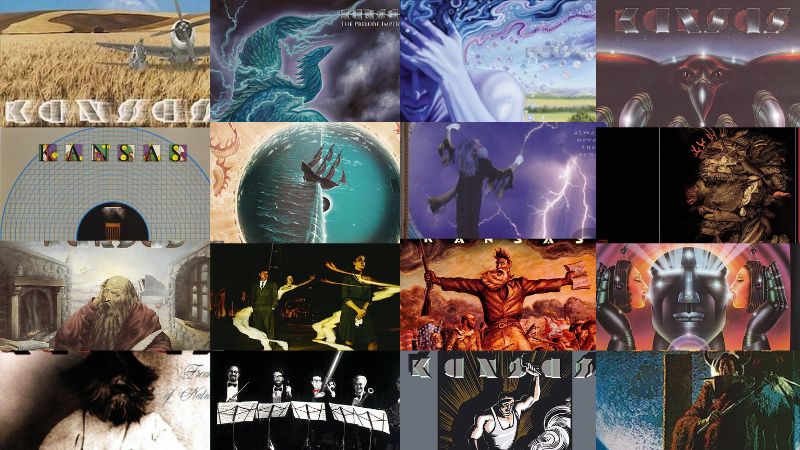
Kansas Albums in Order: Kansas is an American rock band that emerged from Topeka, Kansas, in 1973 and quickly became one of the defining acts of classic rock. Known for their fusion of progressive rock and arena-friendly hits, Kansas rose to fame in the 1970s with iconic singles like “Carry On Wayward Son” and “Dust in the Wind.”
Their discography is a testament to both commercial success and artistic ambition, featuring 16 studio albums, 7 live albums, 9 compilations, and 29 singles. Kansas albums in order chart a fascinating musical journey—from their self-titled 1974 debut to their most recent studio release, The Absence of Presence in 2020. Albums such as Leftoverture and Point of Know Return not only achieved multi-platinum status but also became staples of rock radio, helping the band spend over 200 weeks on the Billboard charts during their peak. Through lineup changes, disbandments, and reunions, Kansas has continued to evolve while staying true to their progressive roots.
Exploring Kansas albums in order offers a comprehensive view of a band whose music has resonated across generations and solidified their place in rock history. So, if you are a die heart fan of Kansas Albums then check out here we have list of Kansas albums in order of release so far.
All Kansas Albums Available on: Apple Music
Also See: Boston Albums In Order
How many albums does Kansas have?
The discography of Kansas consists of Sixteen (16) studio albums, seven live albums, nine compilation albums, and 29 singles.
The List of Kansas Albums in Order of Release Date
Here is the list of Kansas Album in Order of Release Date
- Kansas — March 8, 1974
- Song for America — February 1975
- Masque — September 1975
- Leftoverture — October 21, 1976
- Point of Know Return — October 11, 1977
- Monolith — May 1979
- Audio-Visions — September 1980
- Vinyl Confessions — June 1982
- Drastic Measures — July 1983
- Power — November 28, 1986
- In the Spirit of Things — October 25, 1988
- Freaks of Nature — May 29, 1995
- Always Never the Same — May 19, 1998
- Somewhere to Elsewhere — July 11, 2000
- The Prelude Implicit — September 23, 2016
- The Absence of Presence — July 17, 2020
All Kansas Albums List in Order
1. Kansas (1974)
Tracks
- Can I Tell You
- Bringing It Back
- Lonely Wind
- Belexes
- Journey from Mariabronn
- The Pilgrimage
- Aperçu
- Death of Mother Nature Suite
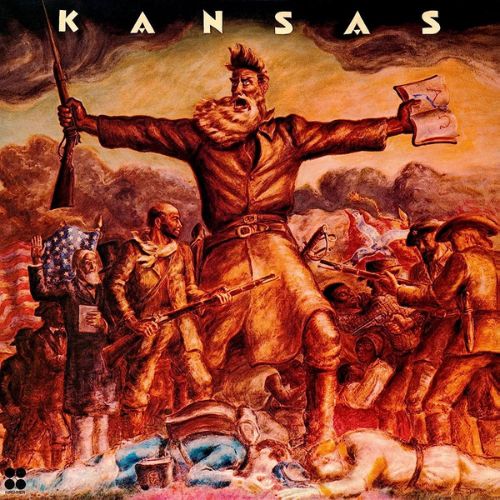
Kansas is the self-titled debut album from American progressive rock band Kansas, released in 1974 by Kirshner Records. Blending elements of symphonic rock, boogie, and blues, the album showcased the union of two Topeka groups, notably featuring Kerry Livgren’s complex, Eastern-influenced compositions and Steve Walsh’s dynamic vocals. Tracks like “Journey from Mariabronn” and “Aperçu” reflect the band’s ambitious songwriting and instrumental virtuosity. Though initial singles didn’t chart, the album earned a cult following and later achieved Gold certification. The iconic cover features John Brown from John Steuart Curry’s mural Tragic Prelude, symbolizing Kansas’s deep American and philosophical roots.
2. Song for America (1975)

Tracks
- Down the Road
- Song for America
- Lamplight Symphony
- Lonely Street
- The Devil Game
- Incomudro – Hymn to the Atman
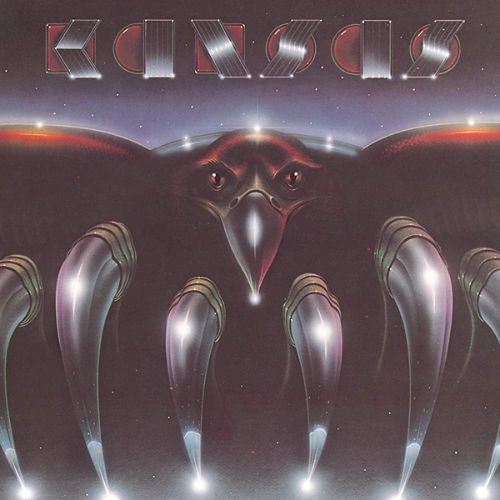
Song for America, released in 1975, is the second studio album by American progressive rock band Kansas. Showcasing a blend of symphonic rock and American-rooted melodies, the album features intricate compositions such as the 10-minute title track and the expansive “Incomudro – Hymn to the Atman.” Though initially edited for single release, the full version and a live performance appeared on the 2004 remastered CD, which also included rare photos and expanded liner notes. Critically, the album received mixed to positive reviews, praised for its energy and complexity. It peaked at #57 on the Billboard 200 and was certified Gold in 1980.
3. Masque (1975)

Tracks
- It Takes a Woman’s Love (To Make a Man)
- Two Cents Worth
- Icarus – Borne on Wings of Steel
- All the World
- Child of Innocence
- It’s You
- Mysteries and Mayhem
- The Pinnacle
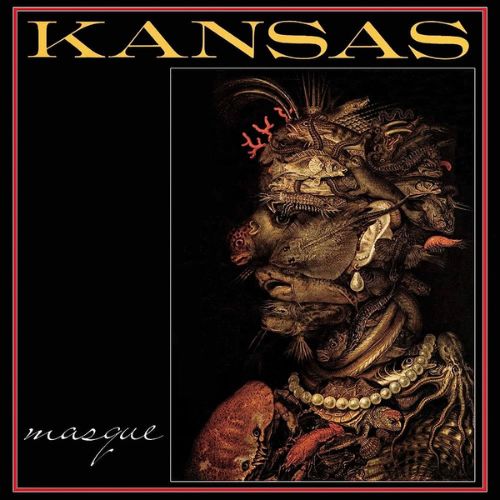
Masque, the third studio album by American progressive rock band Kansas, was released in September 1975. Produced solely by Jeff Glixman at the rural Studio in the Country, the album showcases Kansas’s dual musical identity—epic progressive compositions and more accessible, heartland-inspired tracks. The opening single, “It Takes a Woman’s Love (To Make a Man),” was remixed with commercial intentions but failed to chart successfully. Despite peaking at #70 on the Billboard 200, Masque sold 250,000 copies within months and later went Gold in 1977 following the success of Leftoverture and Point of Know Return. It remains a pivotal bridge in Kansas’s evolving sound.
4. Leftoverture (1976)

Tracks
- Carry On Wayward Son
- The Wall
- What’s on My Mind
- Miracles out of Nowhere
- Opus Insert
- Questions of My Childhood
- Cheyenne Anthem
- Magnum Opus
- Father Padilla Meets the Perfect Gnat
- Howling at the Moon
- Man Overboard
- Industry on Parade
- Release the Beavers
- Gnat Attack
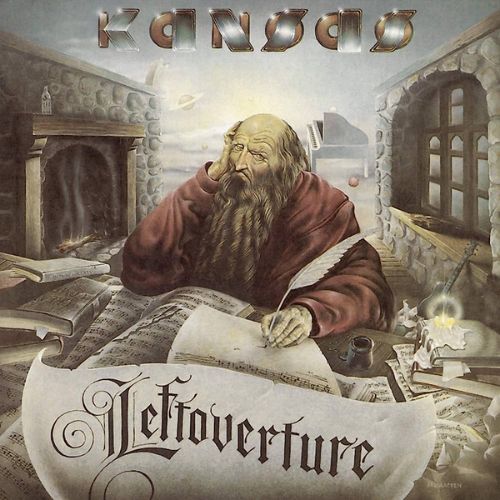
Released in 1976, Leftoverture is the fourth studio album by American rock band Kansas and remains their most commercially successful release, certified five times platinum by the RIAA. Marking a creative shift, guitarist and keyboardist Kerry Livgren took the reins after vocalist Steve Walsh faced writer’s block, crafting a suite of complex, classically inspired compositions. The album opens with the iconic “Carry On Wayward Son,” which became a defining track for the band. Recorded at the swamp-surrounded Studio in the Country in Louisiana, Leftoverture blends progressive rock and hard rock elements. Despite mixed reviews at release, it is now celebrated as a Kansas masterpiece.
5. Point of Know Return (1977)

Tracks
- Point of Know Return
- Paradox
- The Spider
- Portrait (He Knew)
- Closet Chronicles
- Lightning’s Hand
- Dust in the Wind
- Sparks of the Tempest
- Nobody’s Home
- Hopelessly Human
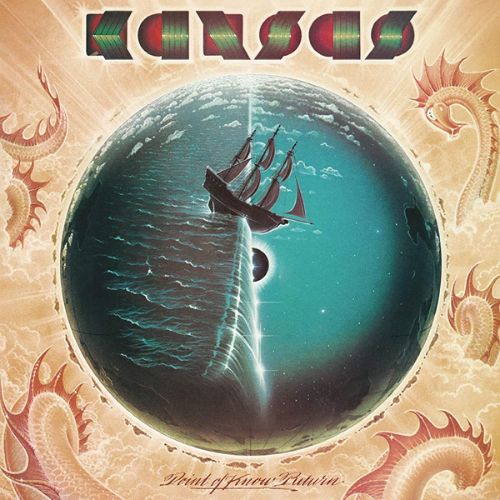
Kansas – Point of Know Return (1977) Released in 1977, Point of Know Return marked Kansas’ fifth studio album and became their most commercially successful, reaching No. 4 on the US Billboard 200 and earning a Quadruple Platinum certification. Recorded primarily at Woodland Sound Studios in Nashville after technical issues in Louisiana, the album showcases the band’s blend of progressive rock and accessible melodies. Featuring the timeless hit “Dust in the Wind” and the powerful title track, the album also includes “Portrait (He Knew),” inspired by Albert Einstein. Despite internal tensions—highlighted by Steve Walsh’s brief departure—the album’s intricate musicianship and lyrical depth solidified Kansas’ legacy in rock history.
6. Monolith (1979)

Tracks
- On the Other Side
- People of the South Wind
- Angels Have Fallen
- How My Soul Cries Out for You
- A Glimpse of Home
- Away from You
- Stay Out of Trouble
- Reason to Be
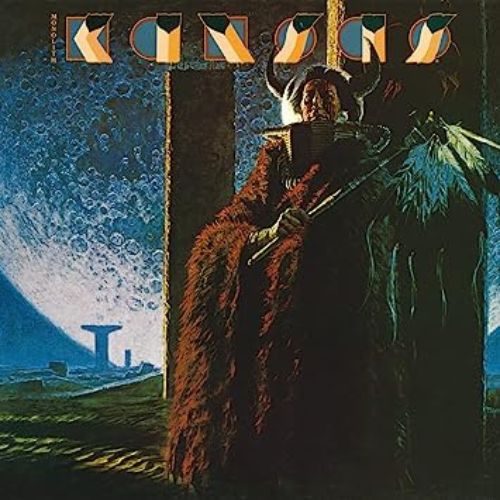
Monolith, the sixth studio album by American progressive rock band Kansas, was released in 1979 and marked the band’s third consecutive album to enter the Billboard Top 10, peaking at No. 10. Self-produced by the band, Monolith was initially a commercial success, earning gold and later platinum status, though it received mixed critical reviews. Despite featuring ambitious compositions and themes inspired by The Urantia Book, the album lacked a standout hit; its lead single, “People of the South Wind,” peaked modestly. The band initially performed the entire album on tour but gradually phased out songs, only reviving select tracks decades later.
7. Audio-Visions (1980)

Tracks
- Relentless
- Anything for You
- Hold On
- Loner
- Curtain of Iron
- Got to Rock On
- Don’t Open Your Eyes
- No One Together
- No Room for a Stranger
- Back Door
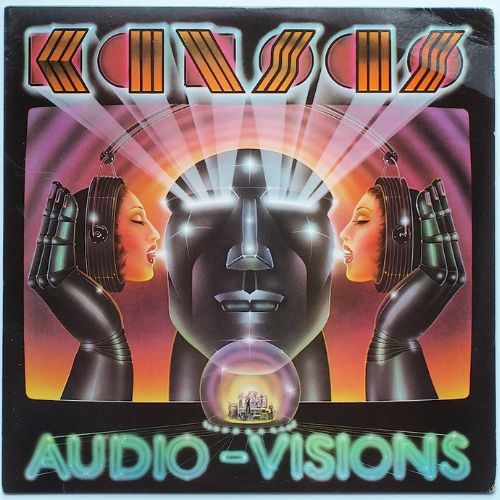
Audio-Visions is the seventh studio album by American progressive rock band Kansas, released in 1980. Marking a turning point for the group, it was the last album to feature the original lineup until 2000. The album reflects guitarist Kerry Livgren’s recent Christian conversion, particularly on the single “Hold On,” written as a plea to his wife. Though it reached No. 40 on the Billboard Hot 100, follow-up single “Got to Rock On” fell short of the Top 40. Despite mixed reviews and internal tensions, the album achieved Gold certification. Its complex sound and religious themes reveal a band at a crossroads.
8. Vinyl Confessions (1982)

Tracks
- Play the Game Tonight
- Right Away
- Fair Exchange
- Chasing Shadows
- Diamonds and Pearls
- Face It
- Windows
- Borderline
- Play On
- Crossfire
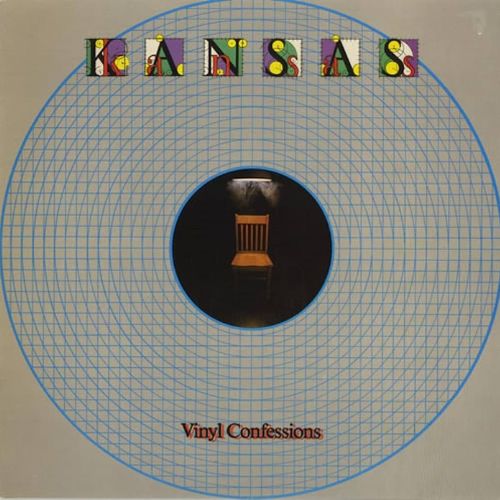
Vinyl Confessions, released in 1982, marks a pivotal chapter in Kansas’s history. It was the band’s eighth studio album and featured the hit single “Play the Game Tonight,” which reached the Top 20, becoming Kansas’s third-highest-charting song. The album reflected significant changes within the band, notably after guitarist Kerry Livgren and bassist Dave Hope’s conversion to Christianity. This spiritual shift led to tensions with lead singer Steve Walsh, who departed to form Streets. The album’s lyrics, which focused on Christian themes, caught the attention of the Contemporary Christian music (CCM) scene, making it a crossover success. Despite mixed reviews, Vinyl Confessions is remembered for its bold new direction and its musical contribution to both rock and Christian music.
9. Drastic Measures (1983)

Tracks
- Fight Fire with Fire
- Everybody’s My Friend
- Mainstream
- Andi
- Going Through the Motions
- Get Rich
- Don’t Take Your Love Away
- End of the Age
- Incident on a Bridge
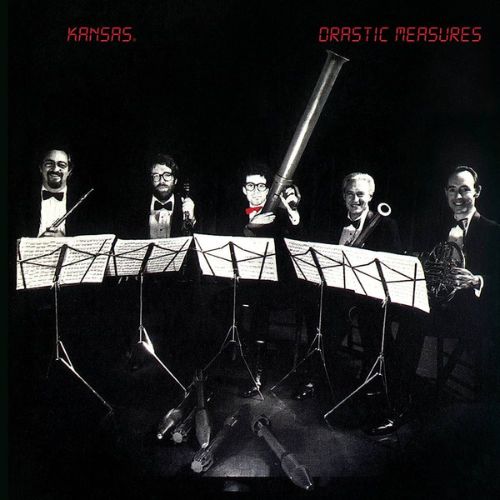
Drastic Measures, the ninth studio album by Kansas, released in 1983, marked a significant shift in the band’s sound and direction. With new lead singer John Elefante taking the helm, the album moved away from the progressive rock elements of previous records, embracing a more mainstream, radio-friendly style akin to bands like Loverboy and Foreigner. This change caused tension within the band, particularly with co-founder Kerry Livgren, whose more introspective, Christian-influenced tracks contrasted with Elefante’s more commercial approach. Despite producing the hit “Fight Fire with Fire,” which reached No. 3 on the Billboard Mainstream Rock Chart, Drastic Measures was the band’s lowest-charting album and led to their eventual breakup after the 1983 tour.
10. Power (1986)

Tracks
- Silhouettes in Disguise
- Power
- All I Wanted
- Secret Service
- We’re Not Alone Anymore
- Musicatto
- Taking In the View
- Three Pretenders
- Tomb 19
- Can’t Cry Anymore
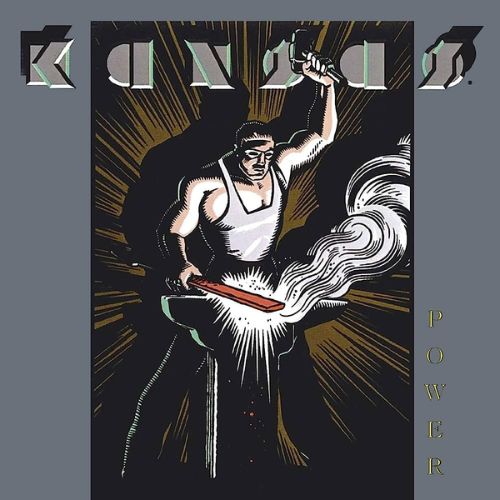
“Power” is the tenth studio album by the American rock band Kansas, released in 1986 as their first for MCA Records. The album marked a major shift in the band’s sound, with a new lineup following their hiatus. Musically, it moved away from their classic progressive rock roots, embracing more hard rock and pop influences, which surprised long-time fans. The album received mixed reviews; while Kerrang! criticized its dated pompous sound, AllMusic highlighted its brief but interesting new direction. Key tracks include the energetic “Musicatto” and the melodic “All I Wanted.” Despite its mixed reception, “Power” found commercial success, peaking at #35 on the US Billboard 200.
11. In the Spirit of Things (1988)

Tracks
- Ghosts
- One Big Sky
- Inside of Me
- One Man, One Heart
- House on Fire
- Once in a Lifetime
- Stand Beside Me
- I Counted on Love
- The Preacher
- Rainmaker
- T.O. Witcher
- Bells of Saint James
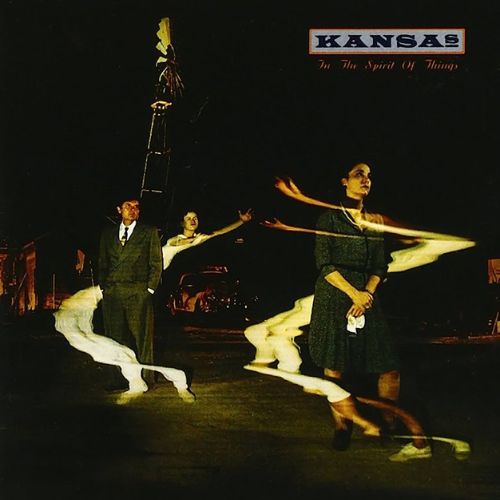
In the Spirit of Things is Kansas’s eleventh studio album, released in 1988. This concept album loosely narrates the devastating flood that hit Neosho Falls, Kansas, in 1951. Inspired by the book Ghost Towns of Kansas, the album explores themes of loss and resilience. Despite being the band’s last major label release, it faced commercial failure due to minimal promotion from MCA Records, who shifted focus to younger artists. While In the Spirit of Things didn’t produce a major hit, the single “Stand Beside Me” garnered some MTV airplay. AllMusic later described the album as one of Kansas’s more consistent late-period efforts.
12. Freaks of Nature (1995)

Tracks
- I Can Fly
- Desperate Times
- Hope Once Again
- Black Fathom 4
- Under the Knife
- Need
- Freaks of Nature
- Cold Grey Morning
- Peaceful and Warm
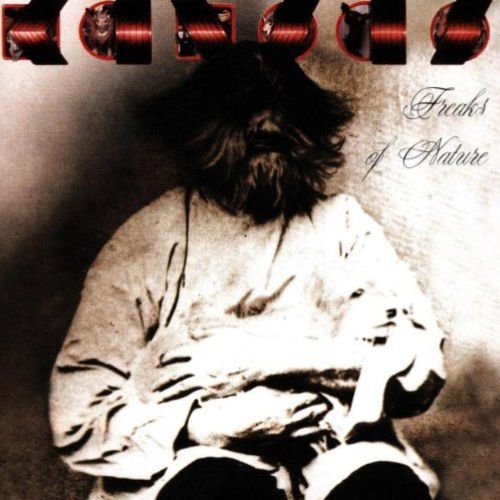
“Freaks of Nature” is the twelfth studio album by Kansas, released in 1995. This album marked a departure from the band’s earlier, more overproduced sound, as they embraced a more stripped-back approach, notably avoiding orchestral instrumentation. Produced by Jeff Glixman, the album was recorded in Trinidad, with violinist David Ragsdale co-writing four tracks. Despite receiving mixed critical reviews, with Entertainment Weekly praising the album’s innovative mix of techno synths and world rhythms, it did not achieve commercial success, failing to chart. The band toured with the Alan Parsons Project and Styx in support of the album.
13. Always Never the Same (1998)

Tracks
- Eleanor Rigby
- Dust in the Wind
- Preamble
- Song for America
- In Your Eyes
- Miracles Out of Nowhere
- Hold On
- The Sky Is Falling
- Cheyenne Anthem
- Prelude & Introduction
- The Wall
- Need to Know
- Nobody’s Home
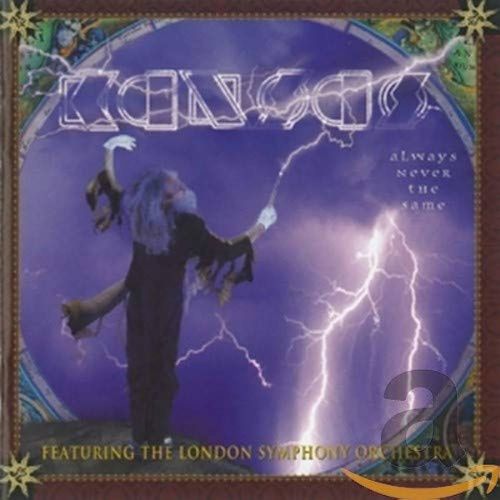
Always Never the Same is Kansas’ thirteenth studio album, released in 1998. This unique album features re-recorded versions of the band’s classic hits, performed with the London Symphony Orchestra, offering a symphonic twist on their iconic sound. New tracks like “In Your Eyes,” “The Sky Is Falling,” “Need to Know,” and the instrumental “Preamble” add fresh material to the mix. A standout medley, “Prelude & Introduction,” blends several Kansas classics, while the band also covers The Beatles’ “Eleanor Rigby.” This album marks the final appearance of Steve Walsh’s original compositions and new songs with Kansas.
14. Somewhere to Elsewhere (2000)

Tracks
- Icarus II
- When the World Was Young
- Grand Fun Alley
- The Coming Dawn (Thanatopsis)
- Myriad
- Look at the Time
- Disappearing Skin Tight Blues
- Distant Vision
- Byzantium
- Not Man Big
- Geodesic Dome
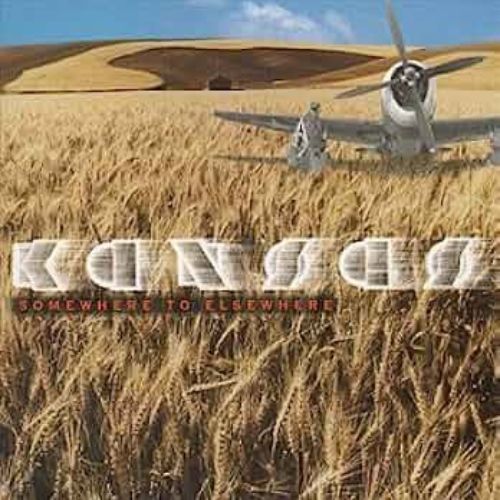
Somewhere to Elsewhere (2000) marks a significant milestone in Kansas’ history as their fourteenth studio album and the first featuring the band’s original lineup since 1980’s Audio-Visions. The album includes Steve Walsh’s vocals, which were recorded separately in his home studio while working on his solo project Glossolalia. While Kerry Livgren composed all tracks, his hidden track, “Geodesic Dome,” features his first and only lead vocal for the band. This album also marks the final studio contribution from both Robby Steinhardt and Steve Walsh before their departures, making it a poignant chapter in Kansas’ legacy. The album’s fusion of progressive rock and rich musicianship captures the essence of the band’s storied career.
15. The Prelude Implicit (2016)

Tracks
- With This Heart
- Visibility Zero
- The Unsung Heroes
- Rhythm in the Spirit
- Refugee
- The Voyage of Eight Eighteen
- Camouflage
- Summer
- Crowded Isolation
- Section 60
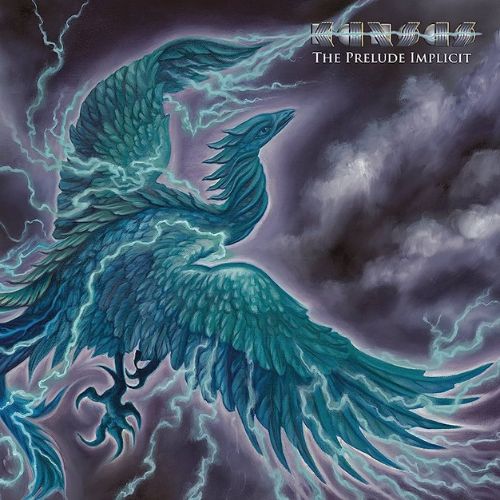
The Prelude Implicit is the fifteenth studio album by American progressive rock band Kansas, released in September 2016. Marking the band’s first album without founding member Steve Walsh, it introduces lead vocalist and keyboardist Ronnie Platt, alongside new members keyboardist David Manion and guitarist Zak Rizvi. This album is also the first to feature violinist David Ragsdale since 1995’s Freaks of Nature. With its blend of hard rock, AOR, and prog rock, The Prelude Implicit received praise for balancing familiar Kansas sound with new energy, especially on tracks like the epic “The Voyage of Eight Eighteen.” The album was well-received, charting highly in multiple countries.
16. The Absence of Presence (2020)

Tracks
- The Absence of Presence
- Throwing Mountains
- Jets Overhead
- Propulsion 1
- Memories Down the Line
- Circus of Illusion
- Animals on the Roof
- Never
- The Song the River Sang
The Absence of Presence, released on July 17, 2020, is the sixteenth studio album by American progressive rock band Kansas. It marks the band’s fourth album without founding member Steve Walsh and introduces keyboardist Tom Brislin as a key contributor. The album, a follow-up to The Prelude Implicit, showcases a more collaborative songwriting approach with Brislin and guitarist Zak Rizvi composing most of the material. The album features the band’s first lead vocal from Brislin and highlights both classic Kansas elements and new directions. The Absence of Presence was well-received, charting across several international lists, including a No. 7 peak in Germany.
Conclusion:
In conclusion, the Kansas discography showcases a remarkable journey through decades of rock evolution, marked by powerful lyrics, progressive compositions, and iconic hits like “Carry On Wayward Son” and “Dust in the Wind.” From their self-titled debut in 1974 to The Absence of Presence in 2020, exploring Kansas albums in order offers a rich perspective on their artistic growth and enduring legacy. With 16 studio albums, multiple platinum records, and chart-topping singles, Kansas solidified their place as staples of classic rock radio and concert halls worldwide, leaving an indelible mark on American rock music history.
Thanks for Visit!