The List of Paul Simon Albums in Order of Release Date
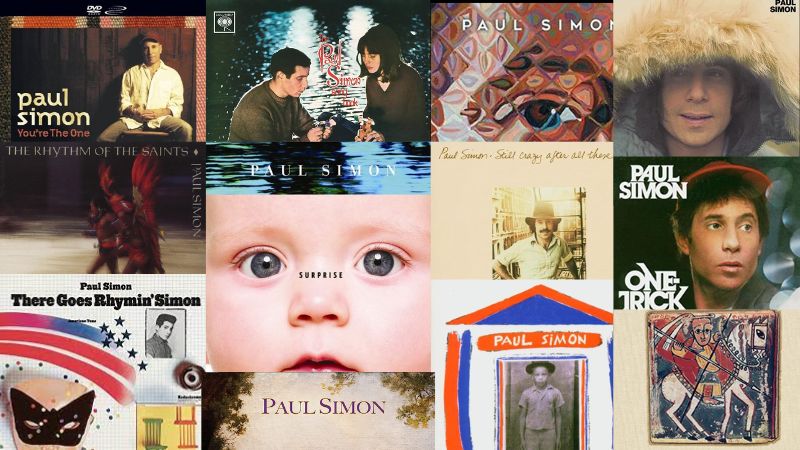
Paul Simon Albums in Order: Having sold over 27 million albums, including 14 million in the United States Paul Simon is among the most acclaimed musicians in popular music, and one of the world’s best-selling music artists.
Paul Simon’s discography is a testament to his musical evolution, spanning folk, rock, world music, and experimental sounds. After rising to fame as one half of Simon & Garfunkel, Simon embarked on a successful solo career following the duo’s split in 1970. His first few solo albums—Paul Simon (1972), There Goes Rhymin’ Simon (1973), and Still Crazy After All These Years (1975)—established him as a versatile songwriter, blending folk with jazz, gospel, and pop influences. The 1980s marked a significant shift with Graceland (1986), an album that fused South African rhythms with Western songwriting, earning Simon widespread critical acclaim and commercial success. He continued this global exploration with The Rhythm of the Saints (1990).
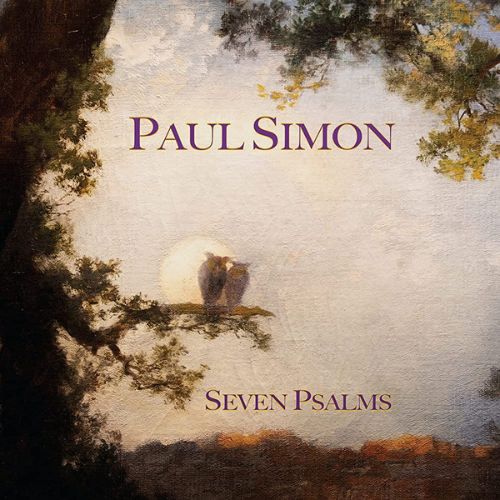
In the 21st century, Simon released a series of introspective and sonically rich albums, including So Beautiful or So What (2011) and Stranger to Stranger (2016). His most recent work, Seven Psalms (2023), reflects his continued artistic ambition. This guide to Paul Simon Albums in Order explores the evolution of his music, highlighting the themes, innovation, and impact of each release across his illustrious career. So, if you are a die heart fan of Paul Simon Albums then check out here we have list of Paul Simon albums in order of release so far.
All Paul Simon Albums Available on: Apple Music
Also See: Bob Dylan Albums in Order
How many albums does Paul Simon have?
Paul Simon has released 15 studio albums, 4 live albums, 11 compilation albums and 61 singles.
The List of Paul Simon Albums in Order of Release Date
Here is the list of Paul Simon Album in Order of Release Date
- The Paul Simon Songbook — August 1965
- Paul Simon — January 24, 1972
- There Goes Rhymin’ Simon — May 5, 1973
- Still Crazy After All These Years — October 6, 1975
- One-Trick Pony — August 12, 1980
- Hearts and Bones — November 4, 1983
- Graceland — August 25, 1986
- The Rhythm of the Saints — October 16, 1990
- Songs from The Capeman — November 18, 1997
- You’re the One — October 3, 2000
- Surprise — May 9, 2006
- So Beautiful or So What — April 8, 2011
- Stranger to Stranger — June 3, 2016
- In the Blue Light — September 7, 2018
- Seven Psalms — May 19, 2023
All Paul Simon Albums List in Order
1. The Paul Simon Songbook (1965)
Tracks
- I Am a Rock
- Leaves That Are Green
- A Church is Burning
- April Come She Will
- The Sound of Silence
- A Most Peculiar Man
- He Was My Brother
- Kathy’s Song
- The Side of a Hill
- A Simple Desultory Philippic (Or How I Was Lyndon Johnson’d Into Submission)
- Flowers Never Bend With the Rainfall
- Patterns
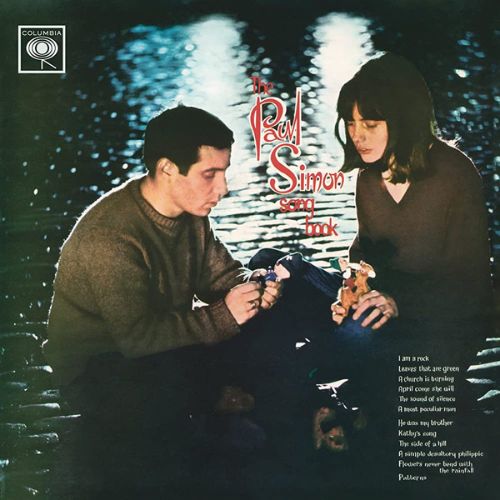
Paul Simon’s debut solo album, The Paul Simon Songbook (1965), captures the early essence of his songwriting prowess. Recorded in London, the album reflects Simon’s folk influences and his growing reputation in the UK music scene. Featuring raw, stripped-down versions of future Simon & Garfunkel classics like “I Am a Rock,” “Leaves That Are Green,” and “The Sound of Silence,” it showcases his lyrical depth and melancholic themes. The album was initially released only in the UK but gained recognition after its inclusion in the 1981 Collected Works set. Its reissue in 2004 added rare alternate takes, offering fans deeper insight into Simon’s artistry.
2. Paul Simon (1972)

Tracks
- Mother and Child Reunion
- Duncan
- Everything Put Together Falls Apart
- Run That Body Down
- Armistice Day
- Me and Julio Down by the Schoolyard
- Peace Like a River
- Papa Hobo
- Hobo’s Blues
- Paranoia Blues
- Congratulations
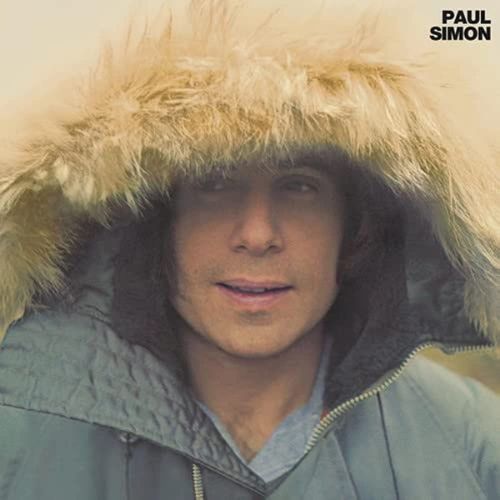
Paul Simon’s self-titled second solo album, released in January 1972, marked a significant transition in his career following the breakup of Simon & Garfunkel. The album showcased Simon’s ability to evolve musically, blending folk, jazz, blues, and reggae influences. Recorded across multiple locations, including Jamaica, it featured the hit single “Mother and Child Reunion,” one of the first reggae-influenced songs by a non-Jamaican artist. Other standout tracks like “Me and Julio Down by the Schoolyard” and “Duncan” highlighted Simon’s storytelling prowess. The album received critical acclaim, reached No. 4 on the U.S. Billboard chart, and was later certified platinum in 1986.
3. There Goes Rhymin’ Simon (1973)

Tracks
- Kodachrome
- Tenderness
- Take Me to the Mardi Gras
- Something So Right
- One Man’s Ceiling Is Another Man’s Floor
- American Tune
- Was a Sunny Day
- Learn How to Fall
- St. Judy’s Comet
- Loves Me Like a Rock
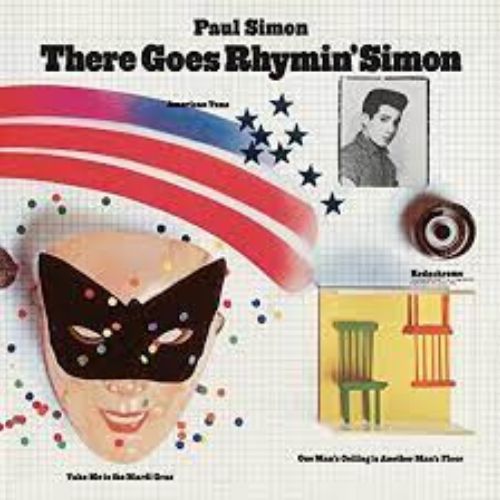
Paul Simon’s third solo album, There Goes Rhymin’ Simon, released in May 1973, solidified his reputation as a masterful songwriter. The album blends a variety of musical styles, including gospel on Loves Me Like a Rock and Dixieland on Take Me to the Mardi Gras. Its lead single, Kodachrome, became a major hit, reaching No. 2 on the Billboard charts. The album itself peaked at No. 2 on the Billboard 200 and topped the Cashbox chart. Critics praised its lyrical depth and diverse arrangements, with Rolling Stone calling it a “rich and moving song cycle.” It earned two Grammy nominations and remains a defining work in Simon’s discography.
4. Still Crazy After All These Years (1975)
Tracks
- Still Crazy After All These Years
- My Little Town
- I Do It for Your Love
- 50 Ways to Leave Your Lover
- Night Game
- Gone at Last
- Some Folks’ Lives Roll Easy
- Have a Good Time
- You’re Kind
- Silent Eyes
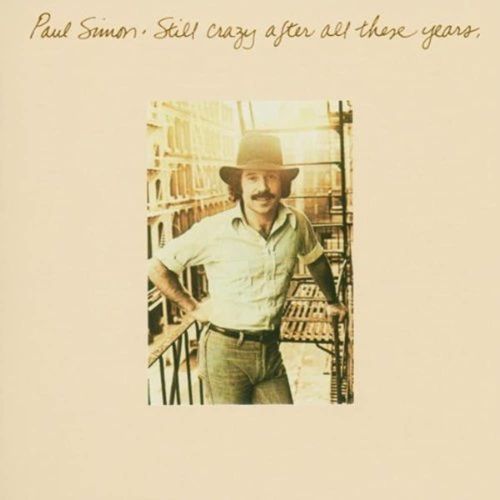
Paul Simon’s Still Crazy After All These Years, released on October 17, 1975, is a landmark album that solidified his status as a solo artist. Featuring introspective lyricism and jazz-influenced arrangements, the album produced four U.S. Top 40 hits, including the chart-topping “50 Ways to Leave Your Lover.” The poignant “My Little Town” marked a brief Simon & Garfunkel reunion, while “Gone at Last” was a powerful gospel-infused duet with Phoebe Snow. Winning the Grammy for Album of the Year, the record showcased Simon’s sophisticated songwriting and collaborations with elite musicians like Steve Gadd and the Muscle Shoals Rhythm Section.
5. One-Trick Pony (1980)

Tracks
- Late in the Evening
- That’s Why God Made the Movies
- One-Trick Pony
- How the Heart Approaches What It Yearns
- Oh, Marion
- Ace in the Hole
- Nobody
- Jonah
- God Bless the Absentee
- Long, Long Day
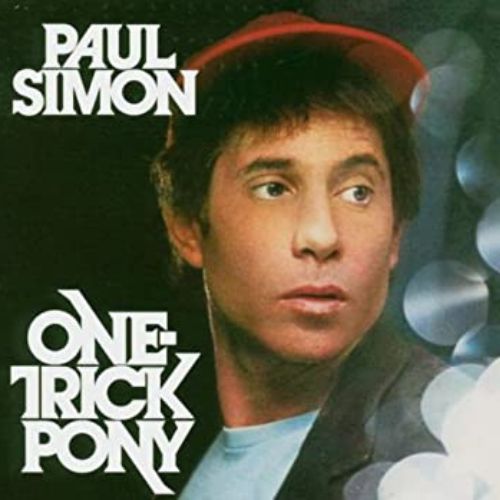
Paul Simon’s One-Trick Pony, released in 1980, is both an album and a film soundtrack, marking his debut with Warner Bros. Records. The album showcases Simon’s signature storytelling through a mix of jazz, pop, and rock influences, with intricate instrumentation by seasoned session musicians like Eric Gale and Steve Gadd. It features the Grammy-nominated hit “Late in the Evening”, which peaked at No. 6 on the U.S. charts. Notably, the title track and “Ace in the Hole” were recorded live. A 2004 remaster included four bonus tracks, enhancing its legacy. Despite moderate commercial success, One-Trick Pony remains a highlight of Simon’s discography.
6. Hearts and Bones (1983)

Tracks
- Allergies
- Hearts and Bones
- When Numbers Get Serious
- Think Too Much (b)
- ong About the Moon
- Think Too Much (a)
- Train in the Distance
- René and Georgette Magritte with Their Dog after the War
- Cars Are Cars
- The Late Great Johnny Ace
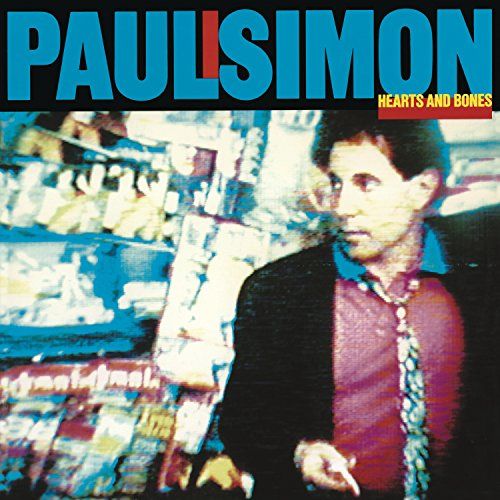
Paul Simon’s Hearts and Bones, released in 1983, is a deeply personal and introspective album that showcases his lyrical and musical evolution. Originally intended as a Simon & Garfunkel reunion project titled Think Too Much, the album became a solo endeavor after creative differences led Simon to erase Art Garfunkel’s contributions. Inspired by Simon’s relationship with actress Carrie Fisher, the title track serves as an emotional centerpiece. Blending folk, rock, and world music influences, the album features intricate arrangements and collaborations with renowned musicians like Nile Rodgers and Steve Gadd. Though initially a commercial disappointment, Hearts and Bones has gained critical acclaim for its poetic storytelling and complex compositions.
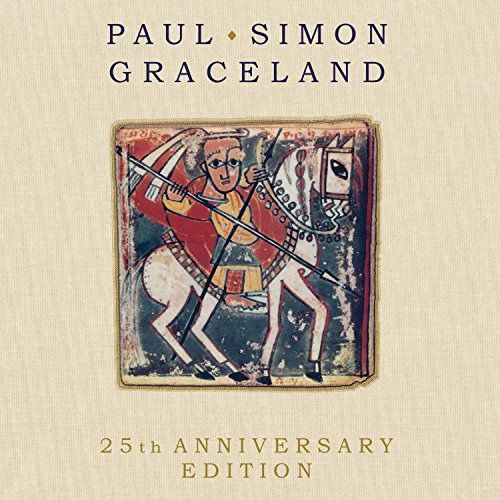
7. Graceland (1986)

Tracks
- The Boy in the Bubble
- Graceland
- I Know What I Know
- Gumboots
- Diamonds on the Soles of Her Shoes
- You Can Call Me Al
- Under African Skies
- Homeless
- Crazy Love, Vol. II
- That Was Your Mother
- All Around the World or the Myth of Fingerprints
Paul Simon’s Graceland, released on August 25, 1986, stands as a landmark album blending diverse musical styles, including pop, rock, zydeco, a cappella, and South African genres like isicathamiya and mbaqanga. Amid personal and professional struggles, Simon found inspiration in South African street music, leading him to collaborate with local musicians in Johannesburg. Despite criticism for violating the apartheid-era boycott, Graceland fostered cross-cultural appreciation and globalized African sounds. Featuring artists like Linda Ronstadt and Los Lobos, the album became Simon’s biggest success, selling over 16 million copies and winning the 1987 Grammy for Album of the Year, securing its legacy.
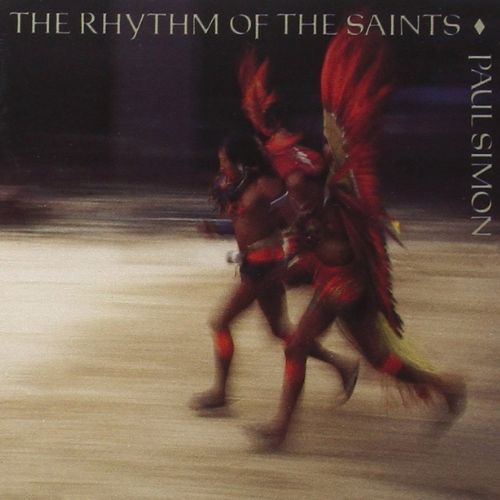
8. The Rhythm of the Saints (1990)

Tracks
- The Obvious Child
- Can’t Run But
- The Coast
- Proof
- Further to Fly
- She Moves On
- Born at the Right Time
- The Cool, Cool River
- Spirit Voices
- The Rhythm of the Saints
Paul Simon’s The Rhythm of the Saints, released on October 16, 1990, is his eighth solo studio album and a vibrant follow-up to Graceland. Inspired by Brazilian musical traditions, the album integrates rich percussion, African rhythms, and Latin American influences, creating an atmospheric and intricate soundscape. While commercially successful, peaking at No. 4 on the Billboard 200 and topping the UK charts, it did not produce major radio hits apart from “The Obvious Child.” Critically acclaimed, the album earned two Grammy nominations. A highlight was Simon’s 1991 Central Park concert, where he performed many tracks live before an audience of 500,000.
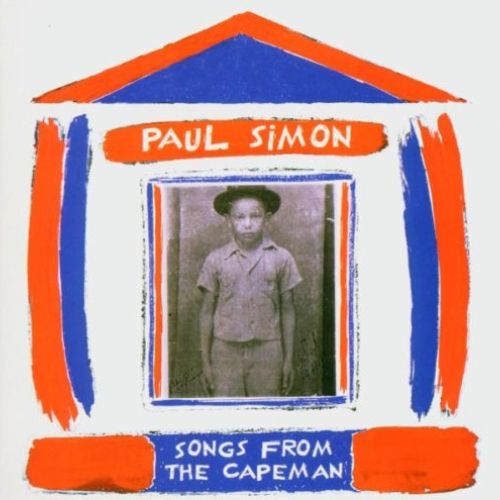
9. Songs from The Capeman (1997)

Tracks
- Adios Hermanos
- Born in Puerto Rico
- Satin Summer Nights
- Bernadette
- The Vampires
- Quality
- Can I Forgive Him
- Sunday Afternoon
- Killer Wants to Go to College
- Time Is an Ocean
- Virgil
- Killer Wants to Go to College II
- Trailways Bus
Paul Simon’s Songs from The Capeman, released in 1997, is his ninth solo studio album and a unique departure from his earlier works. The album features Simon’s interpretations of songs from his Broadway musical The Capeman, which tells the story of Salvador Agron, a Puerto Rican gang member convicted of murder. Musically, the album blends doo-wop, rock and roll, and Puerto Rican rhythms, marking a bold shift in Simon’s sound. Despite featuring notable guest artists like Marc Anthony and Rubén Blades, the album struggled commercially, peaking at No. 42 on the Billboard 200. It remains an ambitious yet underappreciated work in Simon’s discography.
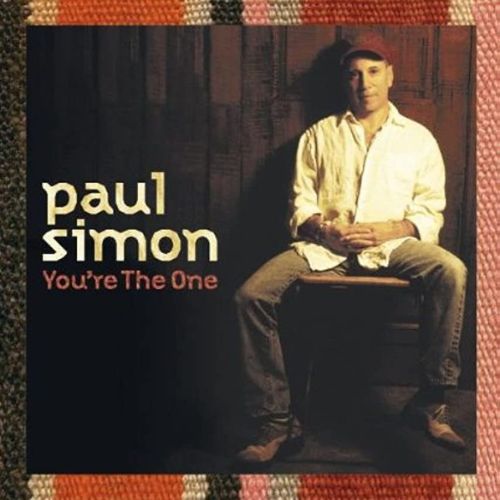
10. You’re the One (2000)

Tracks
- That’s Where I Belong
- Darling Lorraine
- Old
- You’re the One
- The Teacher
- Look at That
- Señorita with a Necklace of Tears
- Love
- Pigs, Sheep and Wolves
- Hurricane Eye
- Quiet
Paul Simon’s You’re the One, released in 2000 by Warner Bros. Records, marked his tenth solo studio album and a notable comeback following the commercial failure of The Capeman. Blending folk, jazz, and world music influences, the album features intricate rhythms and introspective lyrics, showcasing Simon’s storytelling prowess. It received a Grammy nomination for Album of the Year, making Simon the first artist nominated in five consecutive decades. Despite modest chart success—peaking at No. 19 on the Billboard 200—the album achieved Gold certification in the U.S. and U.K. The standout track “Darling Lorraine” exemplifies Simon’s signature narrative style.
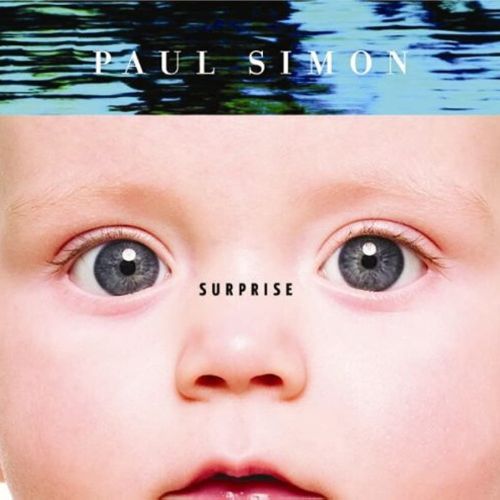
11. Surprise (2006)

Tracks
- How Can You Live in the Northeast?
- Everything About It Is a Love Song
- Outrageous
- Sure Don’t Feel Like Love
- Wartime Prayers
- Beautiful
- I Don’t Believe
- Another Galaxy
- Once Upon a Time There Was an Ocean
- That’s Me
- Father and Daughter
“Surprise,” Paul Simon’s eleventh solo album, released on May 9, 2006, marked an ambitious fusion of folk-rock with electronic textures, thanks to Brian Eno’s innovative “sonic landscape.” The album, Simon’s last with Warner Bros. Records, peaked at No. 14 on the Billboard 200. Written during a reflective period, it explores themes of aging, spirituality, and modernity, influenced by post-9/11 anxieties. Tracks like “Wartime Prayers” and “Outrageous” showcase Simon’s sharp lyricism and layered production. While praised for its bold sound and intricate songwriting, “Surprise” divided critics but solidified Simon’s reputation as an artist unafraid to evolve.
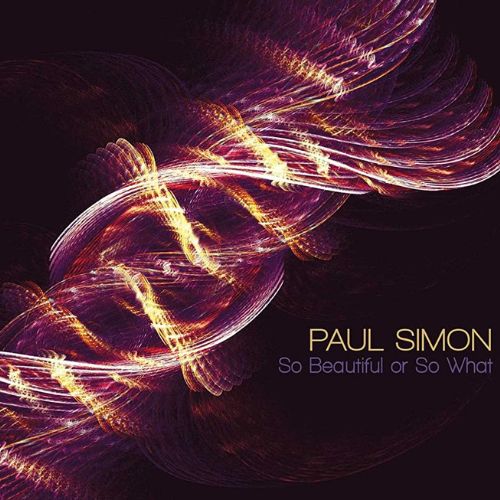
12. So Beautiful or So What (2011)

Tracks
- Getting Ready for Christmas Day
- The Afterlife
- Dazzling Blue
- Rewrite
- Love and Hard Times
- Love Is Eternal Sacred Light
- Amulet
- Questions for the Angels
- Love and Blessings
- So Beautiful or So What
Paul Simon’s So Beautiful or So What, released on April 8, 2011, marked a return to traditional songwriting after decades of rhythm-based experimentation. Co-produced with Phil Ramone, the album was recorded primarily in Simon’s small cottage in New Canaan, Connecticut, incorporating diverse influences such as West African blues, Indian percussion, and vintage gospel samples. The songs reflect themes of faith, love, and mortality, featuring intricate guitar work and an atmospheric use of bells. Widely praised by critics, the album debuted at No. 4 on the Billboard 200, making it Simon’s highest-charting release in decades.
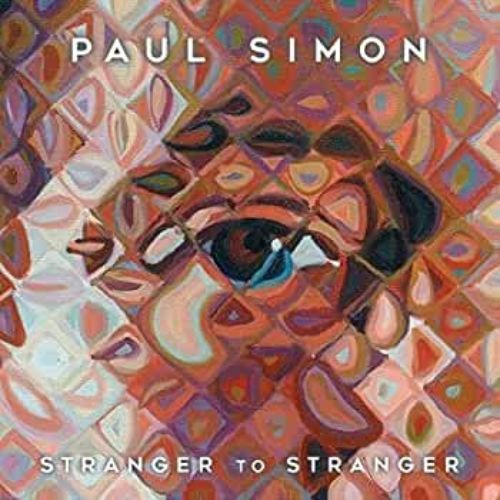
13. Stranger to Stranger (2016)

Tracks
- The Werewolf
- Wristband
- The Clock
- Street Angel
- Stranger to Stranger
- In a Parade
- Proof of Love
- In the Garden of Edie
- The Riverbank
- Cool Papa Bell
- Insomniac’s Lullaby
Paul Simon’s Stranger to Stranger, released on June 3, 2016, is a bold exploration of experimental soundscapes, marking his thirteenth solo studio album. Co-produced with longtime collaborator Roy Halee, the album fuses folk-rock with electronic beats, African woodwinds, Peruvian percussion, and the microtonal instruments of music theorist Harry Partch. Simon collaborated with Italian electronic artist Clap! Clap! on tracks like “The Werewolf” and “Wristband.” The album received widespread acclaim, debuting at No. 3 on the Billboard 200 and topping the UK Albums Chart. With poetic storytelling and innovative instrumentation, Stranger to Stranger solidified Simon’s status as a musical visionary.
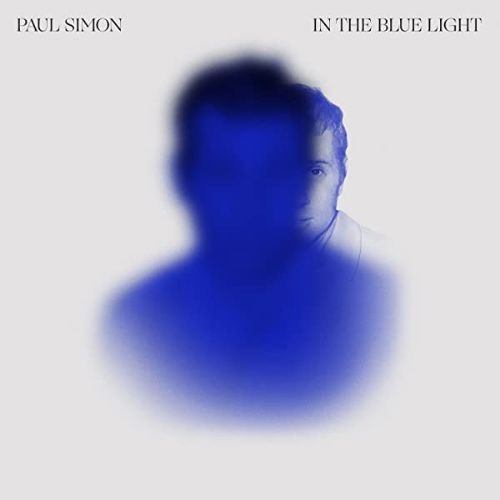
14. In the Blue Light (2018)

Tracks
- One Man’s Ceiling Is Another Man’s Floor
- Love
- Can’t Run But
- How the Heart Approaches What It Yearns
- Pigs, Sheep and Wolves
- René and Georgette Magritte with Their Dog After the War
- The Teacher
- Darling Lorraine
- Some Folks’ Lives Roll Easy
- Questions for the Angels
Paul Simon’s In the Blue Light is a reflective reimagining of his lesser-known works, released on September 7, 2018. His fourteenth solo studio album, produced alongside longtime collaborator Roy Halee, revisits deep cuts from albums like There Goes Rhymin’ Simon, One-Trick Pony, and You’re the One, giving them new life with altered arrangements and fresh instrumentation. Featuring collaborations with yMusic, Wynton Marsalis, and Bill Frisell, the album explores jazz-infused and orchestral textures. Critics praised Simon’s ability to reinterpret his catalog with elegance, and In the Blue Light serves as a thoughtful, introspective farewell to his recorded legacy.
15. Seven Psalms (2023)

Tracks
- The Lord
- Love Is Like a Braid
- My Professional Opinion
- Your Forgiveness
- Trail of Volcanoes
- The Sacred Harp
- Wait
Paul Simon’s Seven Psalms, released on May 19, 2023, is a meditative and introspective acoustic album, designed as a continuous 33-minute piece rather than separate tracks. His fifteenth solo studio album, it marks his first new material since Stranger to Stranger (2016). Inspired by a dream and the biblical Book of Psalms, Simon composed the lyrics during early morning hours over several months. The album features contributions from British vocal ensemble Voces8 and his wife, Edie Brickell. Critics praised its spiritual depth and poetic nature, comparing it to the final works of David Bowie and Leonard Cohen for its reflective tone.
Conclusion:
Paul Simon’s extensive discography showcases his evolution as a pioneering singer-songwriter, blending folk, rock, gospel, reggae, and world music influences. His journey from Simon & Garfunkel to a celebrated solo career is marked by timeless albums such as Paul Simon (1972), Graceland (1986), and Stranger to Stranger (2016). With Seven Psalms (2023), Simon continues to leave a lasting impact on music. His ability to innovate across decades has solidified his legacy as one of the greatest musicians of all time. Exploring Paul Simon Albums in Order reveals a rich, ever-evolving catalog that resonates with audiences worldwide.
Thanks for Visit!